
Can Wooden Blinds Survive Dubai’s Summer Heat? Expert Advice
Short answer: yes — but with important caveats. Wooden blinds can look beautiful and add warmth to interiors, yet Dubai’s intense heat, strong sunlight and occasional humidity demand extra care and smart choices. Here’s clear, practical advice from experts and installers to help your wooden blinds last and perform well in Dubai’s climate.
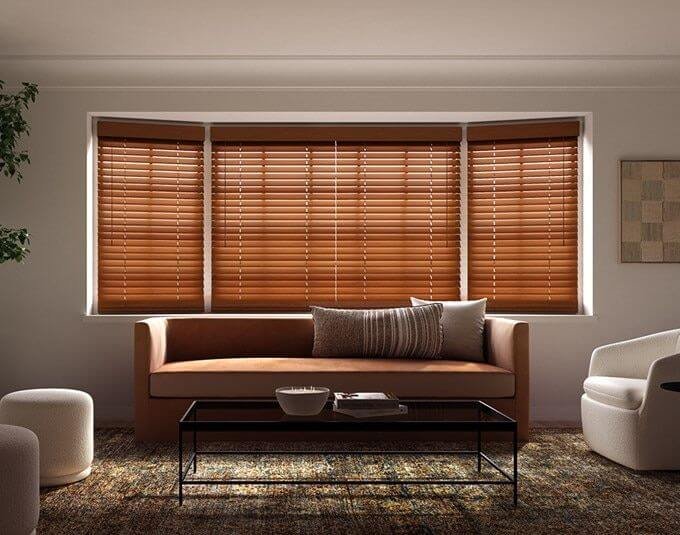
What stresses wooden blinds in Dubai?
- High temperatures: Prolonged sun exposure causes wood to dry, warp, crack or fade.
- UV radiation: UV rays break down finishes and pigments, leading to color loss and weakened surfaces.
- Humidity swings: Coastal humidity and sudden changes between air-conditioned interiors and hot outdoors can make wood expand and contract.
- Dust and sand: Abrasive particles can scratch surfaces and wear finishes over time.
If you want a natural and premium look without compromising durability in extreme temperatures, explore our Wooden Blinds Dubai range. These blinds are designed for UAE interiors, offering strong insulation, UV protection options, and long-term performance when installed correctly.
Which types of wooden blinds hold up best?
- Engineered wood blinds: Made from layered or composite wood, these are more stable than solid wood and much less prone to warping in heat and humidity. They’re a top choice for Dubai.
- Treated and sealed solid wood: If you prefer real wood, choose hardwoods (like basswood or teak) with factory-applied UV-resistant finishes and sealants.
- Faux wood (PVC/Wood polymer): Looks like wood but resists moisture, heat and fading better than natural wood. It’s a highly practical alternative for coastal or very hot environments.
For windows exposed to harsh direct sunlight, Roller Blinds are often a smart alternative to wood. They reduce heat glare, block UV rays efficiently, and work well in Dubai apartments with large glass panels.
Expert tips to maximize lifespan
- Pick the right finish: UV-stable varnishes or marine-grade sealants significantly slow fading and moisture ingress. Ask suppliers for UV-protection ratings.
- Install window films or shades: Low-e or solar-control films cut heat and UV before it reaches the blind, reducing stress on the wood and improving energy efficiency.
- Use deep overhangs and external shading: Awnings, pergolas or external roller shades block direct sun and extend the blinds’ life.
- Keep blinds closed during peak sun: Closing slats inward during the hottest hours reduces direct exposure and prevents overheating.
- Regular cleaning: Dust with a soft cloth or microfiber duster; remove grit and sand gently to prevent scratches. For sealed surfaces, a damp (not wet) cloth with mild soap is fine.
- Avoid sudden temperature shocks: When possible, don’t blast air-conditioning on a very hot blind immediately after sun exposure; gradual cooling reduces stress.
- Inspect and re-seal: Check finishes annually. Reapply sealant or varnish when you notice wear, flaking or fading to restore protection.
Installation and fitting advice
- Leave expansion gaps: If using solid wood, installers should allow for slight movement in the mounting to prevent buckling.
- Professional installation: Quality fittings and proper alignment reduce rubbing and wear on slats and ladders.
- Place blinds away from direct water exposure: Avoid installing untreated wood in kitchens or bathrooms where steam and water contact are frequent.
If you prefer a softer interior style while still improving heat control, our Roman Blinds are a great option. They provide an elegant layered look and can be paired with thermal lining for better summer insulation.
When to choose alternatives
If you want a low-maintenance, long-lasting solution with a wood look, choose faux wood or engineered wood blinds. They offer the aesthetic appeal without many of the risks that real wood faces in Dubai’s climate. For large, west- or south-facing windows where sun intensity is greatest, combining exterior shading with durable interior materials is often the best strategy.
Maintenance checklist
Can Wooden Blinds Survive Dubai’s Summer Heat? Expert Advice
Short answer: yes — but with important caveats. Dubai’s intense sun, high temperatures, and occasional humidity mean you need to choose materials and care routines carefully if you want wooden blinds to last and look good.
Why Dubai’s climate matters
Dubai isn’t just hot; the sun is strong year-round, and surfaces can reach temperatures far higher than the air. Direct, prolonged sun exposure can dry out, fade, warp, or crack untreated wood. Even engineered wood can suffer if moisture and heat cycles are extreme. So the climate affects both the choice of blind and how you maintain it.
Not sure which blind type is best for your room’s sun exposure? Browse our full Blinds Collections to compare wooden, fabric, blackout, and heat-resistant options suited for Dubai’s climate.
Which wood types and alternatives work best
Natural wood looks warm and high-end, but not all wood is suitable for Dubai. If you prefer real wood, choose dense, tropical hardwoods with tight grain and good stability—think teak or mahogany varieties that are naturally more resistant to moisture and heat. Make sure they’re well-sealed and finished with a UV-resistant coating.
If you want the look of wood without the risk, go for faux wood or composite wood blinds. They’re designed to withstand heat and humidity, won’t warp, and are usually less prone to fading. PVC-based faux-wood is common and affordable; aluminum slatted blinds with wood-look finishes are another durable option.
Key features to look for
- UV-resistant finish: A high-quality, UV-stable coating protects the surface from fading and drying.
- Moisture-stable construction: Engineered or laminated slats resist warping better than single-piece softwood.
- Thermal backing or light-blocking options: These reduce heat gain through windows and protect the blind itself.
- Warranty and ratings: Look for products rated for high-UV environments or with a clear outdoor/indoor suitability statement.
Installation tips for longevity
Proper installation reduces strain and minimizes exposure. Mount blinds slightly inside the window recess where possible to reduce direct sun hitting the slats. Use brackets and fixtures made from corrosion-resistant metals—zinc, stainless steel, or quality coated hardware. Consider external shading like overhangs, awnings, or solar screens that cut sunlight before it reaches the window.
Maintenance: how to care for wooden blinds in Dubai
Maintenance keeps them looking good and extends life:
- Regular dusting: A microfiber cloth or soft brush weekly prevents grit buildup that can scratch finishes.
- Clean gently: Use a slightly damp cloth (not soaking) and immediately dry the slats. Avoid harsh chemicals that strip finishes.
- Inspect finishes annually: If the protective coating shows wear, have it recoated or consider professional refinishing.
- Rotate slats: When possible, flip or rotate slats occasionally to even out sun exposure.
When to choose faux wood over real wood
Pick faux wood if you want low maintenance, strong resistance to heat and humidity, or if the blinds will be exposed to direct sun for many hours daily. Faux wood options give the aesthetic of timber with far less risk of warping or cracking, and they’re typically easier to clean in high-dust environments like Dubai.
For bedrooms facing direct sun, Blackout Blinds are one of the best solutions in Dubai’s summer. They help block heat, reduce glare, and maintain cooler indoor temperatures—especially when paired with AC efficiency.
Practical examples
Living room with west-facing windows: Choose faux wood or heavily sealed hardwood with thermal lining and an external awning to cut afternoon heat. Bathroom or kitchen: Prefer faux wood because of higher humidity and steam exposure. Bedroom with light sleep needs: Pair blinds with blackout liners or curtains for temperature control and a dark sleep environment.
Cost vs. value
Real hardwood blinds cost more and need more care, but they offer unmatched natural beauty. Faux wood gives nearly the same look, much higher durability in extreme climates, and lower long-term maintenance costs. Consider the total cost of ownership—purchase price plus expected maintenance and replacement intervals—rather than upfront cost alone.
For expert guidance and premium-quality blinds built for Dubai homes, visit WoodenBlindsDubai.ae. From real wood to blackout and roller systems, we offer solutions designed for extreme heat, sunlight, and modern interiors.
Final verdict
Yes, wooden blinds can survive Dubai’s summer heat if you choose the right material, apply UV-resistant finishes, install them smartly, and follow a routine maintenance plan. For the least worry and best durability, faux wood or engineered wood with a strong finish is generally the safest, most practical choice.
If you want, I can suggest specific products, local suppliers in Dubai, or a short checklist to bring when shopping—tell me whether you prefer real wood or a wood-look alternative.
Keywords: can wooden blinds survive dubai’s summer heat? expert advice
- Weekly: Dust with a soft duster or vacuum on low with brush attachment.
- Monthly: Wipe sealed slats with a damp cloth and mild soap if needed; dry immediately.
- Annually: Inspect finishes and re-seal or re-finish as necessary; check cords, ladders and mounts for wear.
Final recommendation
Wooden blinds can survive Dubai’s summer heat if you choose the right materials and finishes, take preventive measures to limit UV and heat exposure, and commit to regular maintenance. For the least hassle, consider high-quality engineered wood or faux wood blinds combined with solar window film or external shading. If you love real wood, pick treated hardwoods, use UV-protective finishes and follow the care tips above.
Have specific windows or a particular product in mind? Share details (window orientation, indoor humidity, whether you want real wood appearance) and I can recommend the best blind type and maintenance plan for your situation.
When furnishing a property in Dubai, homeowners often ponder the suitability of various home decor elements, especially concerning the challenging UAE climate. Wooden blinds, a popular choice for their aesthetic appeal, raise a common concern: can they truly withstand the extreme heat, harsh sunlight, and fluctuating indoor humidity of a Dubai summer without succumbing to damage like cracking, warping, or fading? The quick answer is yes, but their longevity and performance heavily depend on the wood type, finish, and strategic placement within your Dubai home.
At WoodenBlindsDubai.ae, we don’t just sell blinds—we help homeowners choose the right materials for UAE weather conditions. Learn more about our experience, product standards, and installation approach on our About Us page.
Why Dubai’s Climate Is Tough on Wooden Blinds
Extreme Heat and UV Exposure
Dubai’s climate presents a formidable challenge for wooden blinds, primarily due to the extreme heat and relentless UV exposure. Direct sunlight streaming through windows, especially in a villa or a Dubai apartment with large glass facades, significantly magnifies the heat, pushing indoor temperatures to uncomfortable levels. This intense UV radiation not only causes discoloration and fading but also leads to drying and brittleness in the wood, jeopardizing the overall durability and aesthetic appeal of your blinds.
Humidity vs Indoor AC Dryness
The battle between outdoor humidity and indoor air conditioning dryness creates a stressful environment for wooden blinds in Dubai homes. Coastal areas like the Marina or JBR experience high humidity, which can cause wood to swell. Conversely, the constant use of air conditioning indoors, a necessity during the UAE summer, strips moisture from the air, leading to excessive drying of the wood. This constant fluctuation between moisture absorption and dehydration significantly contributes to the stress on the blinds, impacting their longevity.
Sand and Dust Accumulation
The omnipresent sand and dust in Dubai’s climate pose another threat to wooden blinds. Fine dust particles accumulate rapidly on slats, creating an abrasive layer that, over time, can scratch and dull the finish of the wood. This not only diminishes the visual appeal of your home decor but also necessitates more frequent cleaning, potentially increasing wear and tear. Regular maintenance tips are essential to combat this constant battle against the elements and preserve the integrity of your blinds.
Do Wooden Blinds Warp or Crack in High Heat?
What Happens to Natural Wood Over Time
Natural wood, by its very nature, is susceptible to expansion and contraction cycles when exposed to the extreme heat and fluctuating humidity characteristic of Dubai’s climate. Over time, this constant movement places immense stress on the slats and cords of wooden blinds, potentially leading to structural fatigue. Without proper treatment and smart property maintenance tips, the integrity of the wood can be compromised, affecting the performance and longevity of the blinds in your UAE home.
Signs of Heat Damage to Watch For
Homeowners in Dubai should be vigilant for specific signs of heat damage to their wooden blinds. Warping slats are a common indicator, where the wood bends or twists out of shape, often due to uneven moisture loss. Cracking edges and fading or uneven color across the slats also signal significant UV damage and dryness. Additionally, sticky tilt mechanisms or difficulty in operating the blinds can suggest that the wood has expanded or contracted to the point of impeding functionality.
Best Types of Wooden Blinds for Dubai Weather
Basswood Blinds (Most Common Choice)
Basswood blinds are a highly popular choice for UAE residents due to their lightweight nature and excellent stability, making them a common feature in Dubai homes. They perform well indoors, especially in controlled environments, provided they are properly treated with UV-resistant coatings. Their inherent ability to resist warping when exposed to moderate fluctuations in temperature and humidity makes them a durable option for interior applications, contributing to a premium home decor aesthetic.
Hardwood Blinds (Premium, More Durable)
For those seeking enhanced durability and a premium option, hardwood blinds offer a more robust solution against Dubai’s challenging climate. While stronger and generally heavier than basswood, their resistance to warping and cracking depends significantly on the specific type of hardwood and the quality of its finish. Investing in hardwood blinds with superior sealants and UV protection can ensure better longevity, even in the face of extreme heat and high humidity, making them a valuable asset to any property owner.
Faux Wood as an Alternative (PVC/Composite)
As an alternative, faux wood blinds, typically made from PVC or composite materials, offer superior moisture resistance, making them ideal for areas with higher humidity such as kitchens and bathrooms in Dubai homes. Unlike natural wood, faux wood blinds are not susceptible to warping, cracking, or fading when exposed to intense heat and moisture. This makes them a practical, durable, and low-maintenance option for homeowners seeking the aesthetic appeal of wood without its inherent vulnerabilities in the UAE climate.
Where Wooden Blinds Work Best in Dubai Homes
Bedrooms and Living Rooms (Best Use Case)
Wooden blinds perform well in bedrooms and living rooms within Dubai homes, where the indoor environment is typically more controlled and less exposed to direct moisture or the most extreme heat. These spaces often benefit from the aesthetic appeal of real wood, enhancing the home decor without facing the harshest elements of the Dubai summer. In these areas, the risk of warping or cracking due to high humidity or intense UV exposure is significantly reduced, ensuring better longevity for your blinds.
Villas vs Apartments (Heat Differences)
The choice between villas and apartments in Dubai can influence the performance of wooden blinds due to varying heat differences. Villas often feature larger windows, leading to more direct sunlight exposure and higher heat gain, which can stress wooden blinds. Conversely, Dubai apartments, particularly those with extensive glass facades, can intensify the heat, creating a “greenhouse effect” that may accelerate fading and warping. Homeowners should consider these factors when selecting blinds for their UAE home.
Areas to Avoid Installing Real Wood Blinds
To ensure the longevity of your wooden blinds, certain areas in Dubai homes should be avoided for installation. Kitchens, bathrooms, and laundry rooms are high-humidity zones where natural wood is highly susceptible to moisture damage, leading to warping and cracking. Similarly, balcony doors, which often experience condensation, pose a risk to real wood blinds. In these spaces, faux wood alternatives are a more durable and practical choice for the UAE climate.
How to Protect Wooden Blinds from Dubai Sun and Heat
Choose UV-Resistant Coatings and Sealants
Protecting wooden blinds from the relentless Dubai sun and extreme heat is paramount for their longevity. Choosing blinds with high-quality UV-resistant coatings and sealants is a critical first step for any homeowner in the UAE. Lacquered finishes, for instance, typically perform far better than untreated wood, offering an essential barrier against harmful UV rays that cause fading and drying. These protective layers help to maintain the integrity and aesthetic appeal of your home decor in the intense UAE climate.
Use Lined Curtains or Sheer Layers
To further safeguard wooden blinds in Dubai homes, integrating lined curtains or sheer layers can significantly reduce direct UV exposure. Lined curtains and blinds act as an additional insulating barrier, blocking a substantial amount of harsh sunlight and heat from reaching the blinds. Sheer layers, while allowing some light filtration, still help to diffuse the intense UV rays, preventing direct hit damage and assisting in keeping your home cool. This dual-layer approach contributes to better energy-efficient home maintenance.
If you like the adjustable look of slatted blinds but want more heat-resistant choices, our Venetian Blinds collection offers strong light control and durability—ideal for Dubai’s intense sunlight and daily dust conditions.
Window Film and Double Glazing Benefits
For enhanced protection against Dubai’s extreme heat and UV radiation, consider using lined curtains and blinds. window film and double glazing offer substantial benefits for homes with wooden blinds. Window film can block a significant percentage of UV rays and heat transfer, directly reducing the stress on your blinds and helping to prevent fading and warping. Double glazing provides superior insulation, minimizing heat ingress and maintaining a more stable indoor temperature, which is crucial for the durability of wooden elements in the UAE climate.
Correct Installation Tips (Critical)
Correct installation is critical for the long-term performance and protection of wooden blinds in Dubai’s challenging climate. Proper mounting brackets are essential to ensure the blinds are securely fitted and can withstand the slight movements caused by expansion and contraction, particularly in the heat and humidity of the UAE. Additionally, avoiding a tight fit that restricts the natural movement of the wood is crucial, particularly in conditions exceeding 40°C in summer. Allowing adequate space at the sides prevents unnecessary stress on the slats and mechanisms, enhancing the overall longevity of your blinds in the UAE heat.
Cleaning and Maintenance Tips for Wooden Blinds in Dubai
How Often You Should Dust Them
Due to the prevalence of sand and dust in Dubai’s climate, dust buildup on wooden blinds is significantly faster than in many other regions. Homeowners in the UAE should aim to implement effective property maintenance in Dubai to protect their investments. dust their blinds at least once a week to prevent accumulation, which can become abrasive over time and dull the finish, especially in the outdoor space. Regular and frequent dusting is a critical home maintenance tip to preserve the aesthetic appeal and longevity of your blinds, ensuring your home decor remains pristine despite the outdoor elements.
For large windows and sliding doors common in Dubai homes, Vertical Blinds are a practical heat-friendly solution. They provide excellent light control, reduce glare, and handle high sun exposure better than many fabric options.
Safe Cleaning Methods (Avoid Water Damage)
When cleaning wooden blinds in Dubai, it is paramount to avoid water damage, which can lead to warping or cracking in the extreme heat and fluctuating humidity. Safe cleaning methods include using a dry microfiber cloth to gently wipe away dust from the slats. For more stubborn dust, a vacuum cleaner with a brush attachment can effectively remove particles without damaging the wood. Occasionally, a wood-safe polish can be applied to nourish the wood and enhance its durability, contributing to smart home maintenance.
What Not to Use
To ensure the longevity of your wooden blinds in Dubai, it’s crucial to know what cleaning agents and methods to avoid. Never use a wet cloth that soaks the wood, as excessive moisture can cause warping, swelling, and even mold growth in the high humidity. Steam cleaners are also a definite no, as the intense heat and moisture can severely damage the wood’s integrity and finish. Furthermore, harsh chemical sprays should be avoided, as they can strip protective coatings and discolor the wood, compromising your home decor.
Wooden Blinds vs Other Blinds in Dubai (Comparison Section)
Wooden Blinds vs Roller Blinds
When comparing wooden blinds to roller blinds for Dubai homes, several factors stand out. Wooden blinds offer a classic, luxurious aesthetic that significantly enhances home decor and perceived value. However, roller blinds often provide superior light blockage and can be more energy-efficient, especially when made from blackout materials, helping to keep your home cool during the Dubai summer. While wooden blinds require careful maintenance to prevent warping in the UAE climate, roller blinds are generally easier to clean and less susceptible to humidity fluctuations.
Wooden Blinds vs Aluminum Venetian Blinds
For homeowners in Dubai, the choice between wooden blinds and aluminum Venetian blinds involves trade-offs in aesthetics and durability. Wooden blinds offer a natural warmth and elegance that aluminum cannot replicate, contributing to a premium home decor in UAE interiors. Aluminum Venetian blinds, however, are highly resistant to the extreme heat and high humidity of Dubai’s climate, making them a more practical choice for areas like kitchens and bathrooms where moisture is a concern. They are also easier to clean and less prone to dust accumulation, requiring less intensive home maintenance.
Wooden Blinds vs Zebra Blinds
Comparing wooden blinds with zebra blinds for a Dubai apartment or villa highlights differences in light control and aesthetic. Wooden blinds provide a solid, traditional look with excellent privacy when closed. Zebra blinds, also known as day-night blinds, offer versatile light control through alternating sheer and opaque fabric panels, allowing for adjustable light filtering while maintaining some privacy. While wooden blinds appeal for their classic home decor, zebra blinds often provide a more contemporary feel and are typically less prone to issues like warping or cracking in the UAE climate.
Heat exposure in commercial buildings can impact productivity and comfort. Our Office Blinds are designed for UAE workspaces, helping reduce glare, manage indoor temperatures, and protect office furniture from sun damage.
Wooden Blinds vs Curtains
Choosing between wooden blinds and curtains for Dubai homes involves distinct advantages. Wooden blinds provide a clean, structured look that complements various UAE interiors, offering excellent light control and privacy. Curtains, on the other hand, can add softness, texture, and a wider range of colors, contributing significantly to the overall ambiance of a room. While curtains can offer superior insulation against the Dubai heat, especially when lined, wooden blinds are generally easier to keep clean from the pervasive dust and sand, making them a practical choice for UAE residents focused on smart home maintenance.
Expert Recommendation: Are Wooden Blinds Worth It in Dubai?
When Wooden Blinds Are a Smart Choice
Wooden blinds can be a smart and highly rewarding choice for homeowners in Dubai, particularly when seeking a premium aesthetic and enhancing their home decor. They perform well in controlled indoor environments like bedrooms, living rooms, and private offices, where the extreme heat, direct sunlight, and high humidity are less intense. With proper home maintenance, including UV-resistant finishes and strategic placement away from high-moisture areas, their durability and longevity can be significantly extended, making them a worthwhile investment for a sophisticated UAE home.
When Faux Wood is the Better Option
Faux wood blinds emerge as the better option for areas within Dubai homes that experience high humidity and direct exposure to moisture, such as kitchens, bathrooms, and laundry rooms. Unlike natural wood, faux wood is impervious to warping, cracking, or fading, even in the most challenging conditions of the UAE climate. For property owners seeking a more budget-friendly yet durable alternative that maintains a similar aesthetic to real wood, faux wood blinds offer excellent longevity and require less intensive home maintenance, making them ideal for the Dubai summer.
Expected Lifespan of Wooden Blinds in Dubai
The expected lifespan of wooden blinds in Dubai largely depends on several factors, including the initial quality, exposure to direct sunlight and extreme heat, and consistent home maintenance. With careful selection of UV-resistant coatings and diligent care, including regular dusting and avoiding harsh cleaning agents, homeowners can expect their wooden blinds to last many years. Realistic expectations, however, dictate that without proper protection and smart home maintenance, the harsh UAE climate can reduce their longevity, leading to premature warping or fading.
FAQs (For Featured Snippet + FAQ Schema)
Can wooden blinds handle 50°C heat in Dubai?
Wooden blinds can struggle with consistent exposure to 50°C heat in Dubai if not properly protected. While they can endure high temperatures, prolonged and direct exposure to such extreme heat, especially combined with intense UV radiation, increases the risk of warping, cracking, and fading. For optimal longevity in the UAE climate, it’s crucial to choose blinds with robust UV-resistant finishes and consider additional protection like window film or curtains to mitigate the direct impact of the Dubai summer heat.
Do wooden blinds fade in sunlight?
Yes, wooden blinds can fade in direct sunlight, especially under the intense UV exposure characteristic of the Dubai climate. Without proper UV-resistant coatings, the sun’s rays will gradually break down the wood’s pigments and finish, leading to discoloration and an uneven appearance over time, especially in the climate of Dubai. To preserve the aesthetic appeal of your home decor and extend the longevity of your blinds, opting for treated wood and employing additional window coverings like curtains or sheer layers is highly recommended in a UAE home.
Are wooden blinds good for balcony doors?
Wooden blinds are generally not recommended for balcony doors in Dubai homes. Balcony doors are often subjected to fluctuating temperatures, direct sunlight, and significant outdoor humidity, which can lead to condensation. These conditions make natural wood highly susceptible to warping, cracking, and moisture damage, compromising their durability and aesthetic. For such high-exposure areas in the UAE climate, faux wood or other moisture-resistant blind options are a much more practical and long-lasting choice.
What is better for Dubai: wood or faux wood blinds?
For Dubai’s challenging climate, faux wood blinds are generally better than real wood, particularly in high-humidity areas like kitchens and bathrooms, or windows with direct exposure to extreme heat and moisture. Faux wood offers superior resistance to warping, cracking, and fading, ensuring greater durability and requiring less intensive home maintenance. While real wood provides a premium aesthetic for more controlled indoor environments, faux wood offers a practical and long-lasting solution for most UAE residents.
How do you stop wooden blinds from warping?
To stop wooden blinds from warping in Dubai’s climate, several home maintenance strategies are essential. Choose blinds with high-quality UV-resistant coatings and sealants, as these act as a protective barrier. Ensure proper air circulation by avoiding tightly fitted installations that restrict wood movement. Additionally, reduce direct sunlight exposure with curtains or window film, and manage indoor humidity levels with air conditioning to prevent excessive moisture absorption or drying, all contributing to the longevity of your home decor.
Are wooden blinds safe for kitchens in Dubai?
Wooden blinds are generally not considered safe or durable for kitchens in Dubai homes. Kitchens are high-humidity zones with fluctuating temperatures and often exposure to steam and splashes. These conditions in Dubai can cause natural wood to warp, crack, and potentially harbor mold, compromising both the blind’s integrity and your home decor. For a kitchen in the UAE, faux wood blinds or other moisture-resistant options are a much safer, more durable, and more practical choice, ensuring longer longevity and easier home maintenance.